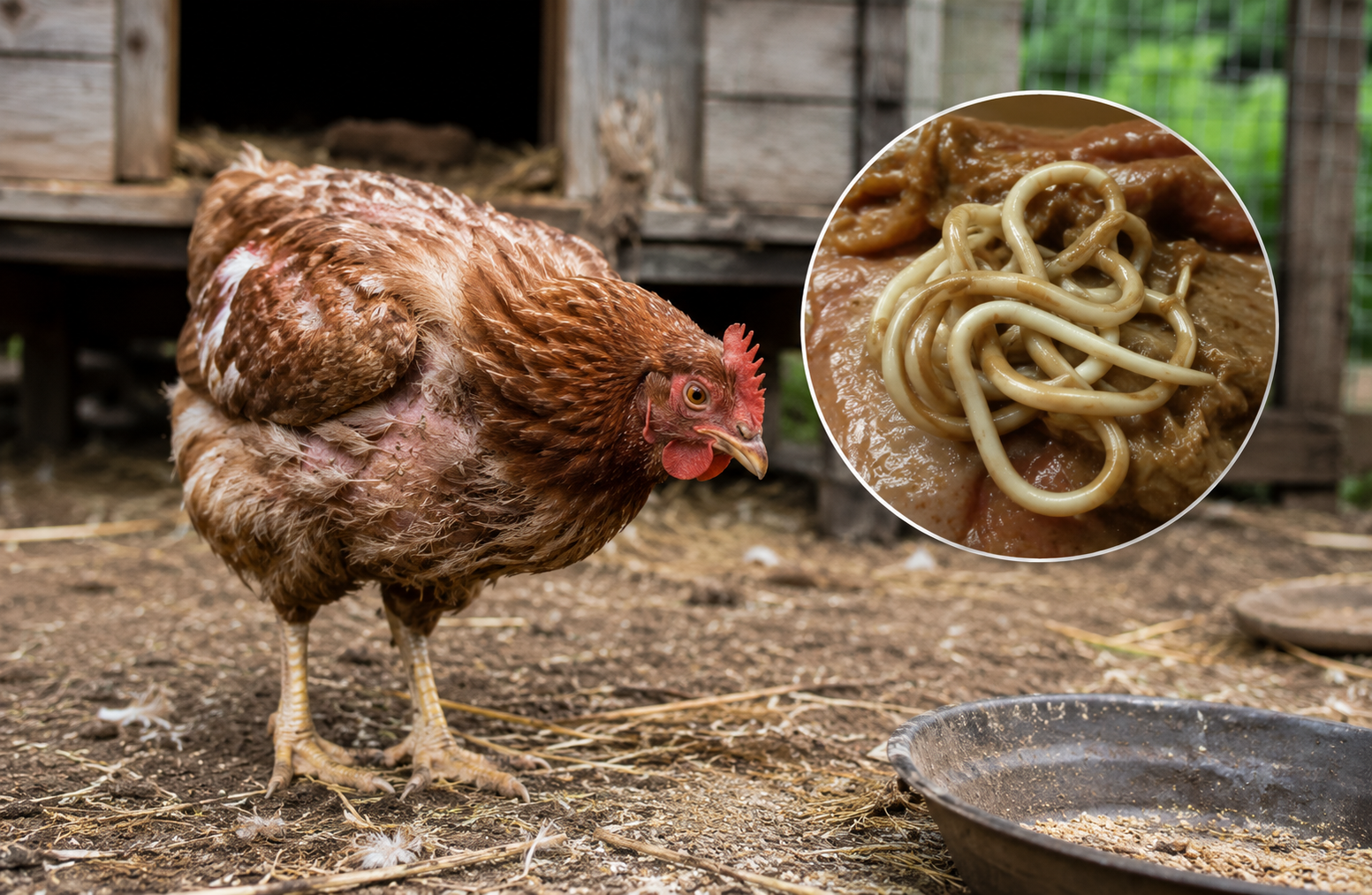
You can tell if your chicken has worms by checking for weight loss, pale egg yolks, diarrhea, and respiratory gasping. However, the only 100% accurate method is a veterinary fecal float test. Here are the exact clinical signs to look for in your flock.
What You Need to Know
Internal parasites (worms) are an almost unavoidable part of keeping backyard chickens. They pick up worm eggs from the soil, insects, or wild bird droppings.
The Simple Analogy: Think of worms as microscopic thieves living inside your chicken’s digestive tract or lungs. They are stealing the nutrients your hen needs to lay eggs, stay warm, and fight off diseases.
The biggest mistake flock owners make is waiting for obvious symptoms. By the time a chicken looks visibly sick, the “thieves” have already multiplied into a massive burden. As a veterinarian, I always tell my clients: Do not guess; test. But knowing the clinical signs will tell you exactly when it is time to call the lab.
The 5 Clear Signs Your Chicken Has Worms
1. Weight Loss Despite a Good Appetite (The “Free-Loader” Effect)
If your hen is eating enthusiastically but her body feels bony, her breastbone is sharp, or she is losing weight, worms are the prime suspect.
- The Science: Large roundworms (Ascaridia galli) live in the intestines and physically compete with the chicken for digested food. They also damage the intestinal lining, meaning even the food she does digest isn’t fully absorbed.
- What you will see: A hen that is constantly at the feeder but looks increasingly emaciated, while the rest of the flock maintains a healthy weight.
2. A Drop in Egg Production and Pale Yolks
When a chicken’s body is under attack by parasites, it goes into survival mode. It stops diverting energy to the reproductive system (laying eggs) and focuses entirely on staying alive.
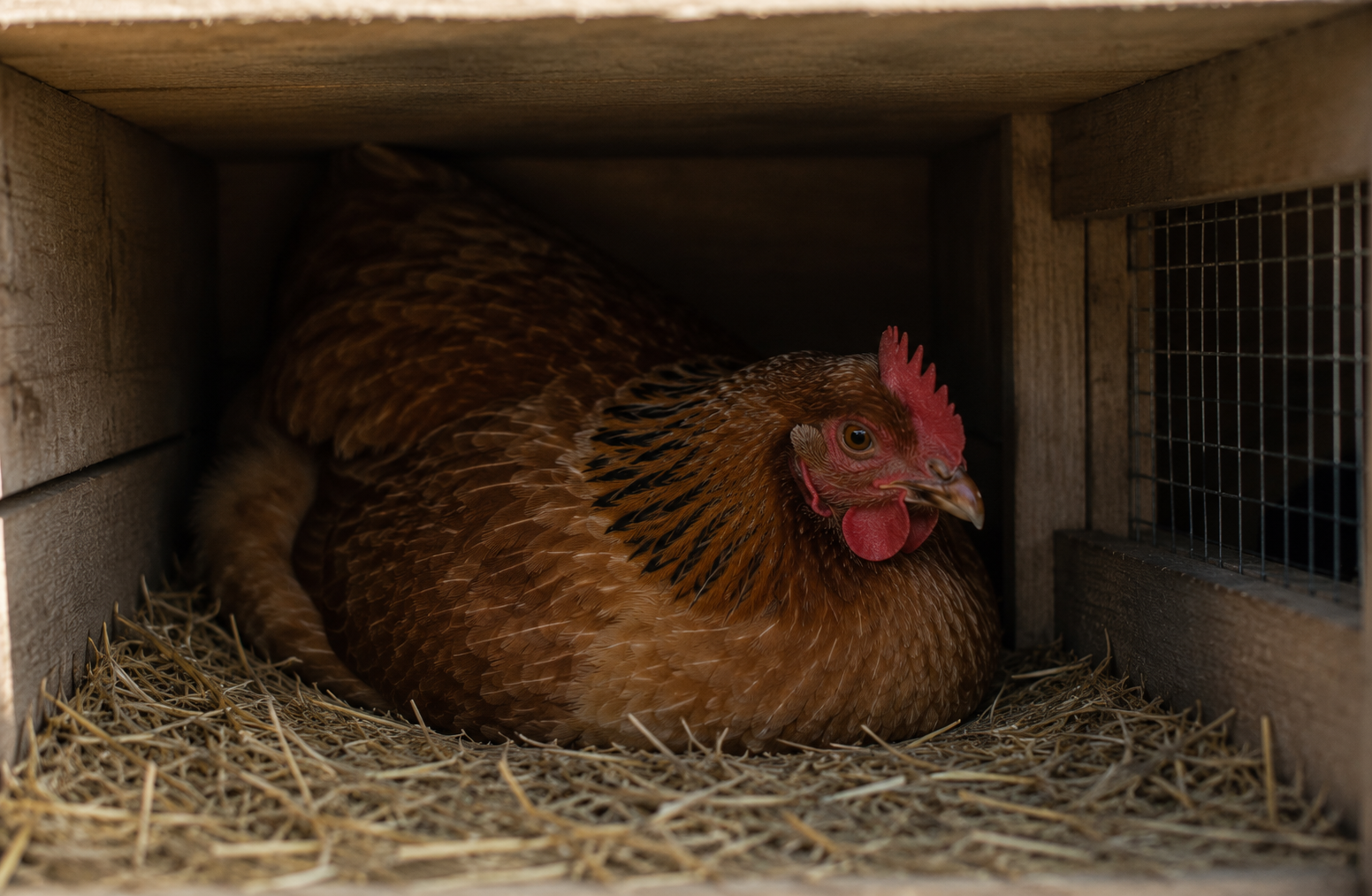
- What you will see: A sudden, unexplained drop in the number of eggs in the nesting boxes.
- The Yolk Clue: If the eggs she is laying have very pale, yellowish yolks instead of a rich, deep orange, it means the worms are stealing the fat-soluble vitamins and xanthophylls (pigments) from her diet before they can reach the egg.
3. Respiratory Distress and “The Gape”
This is the hallmark sign of a very specific, dangerous parasite: the Gapeworm (Syngamus trachea). Unlike intestinal worms, gapeworms live in the chicken’s trachea (windpipe).
- The Simple Analogy: Imagine trying to breathe through a straw that is partially clogged with hair. That is what a gapeworm infection feels like.
- What you will see: The chicken will stretch her neck out, shake her head, and gasp for air with her mouth wide open. This is called “gaping.” You might also hear a clicking or wheezing sound when she breathes. This is a veterinary emergency, as the bird can suffocate.
4. Changes in Droppings (Diarrhea or Bloody Poop)
While normal chicken poop varies in color based on diet, worm infections can cause distinct changes.
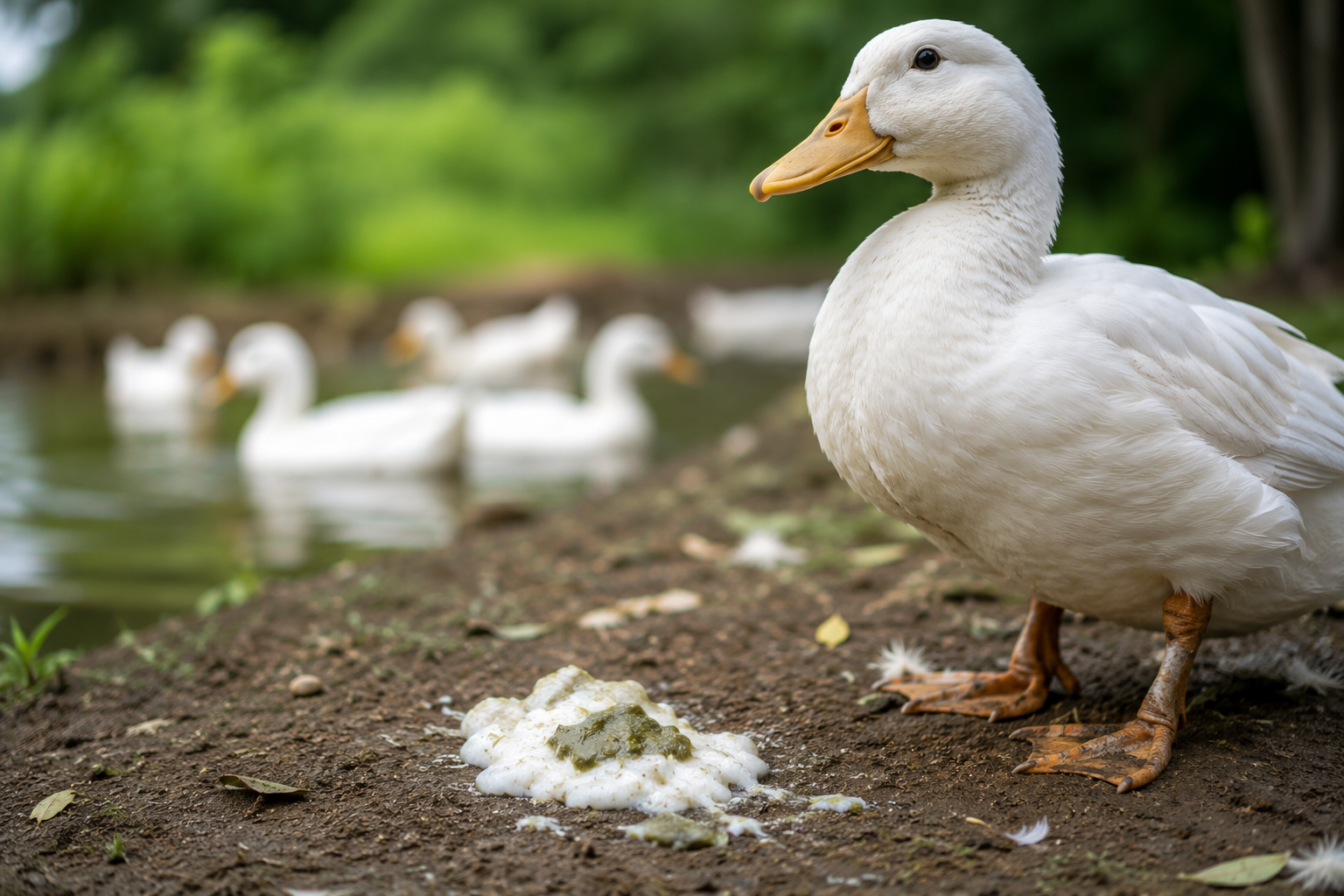
- Cecal Worms (Heterakis gallinarum): Usually, these don’t cause severe symptoms on their own, but they can cause mild, foamy, or cecal (dark and sticky) diarrhea. Note: Cecal worms also carry the deadly parasite that causes Blackhead disease in turkeys.
- Capillaria (Hairworms): These burrow into the intestinal wall, causing severe inflammation. This leads to watery diarrhea, and in severe cases, you may see dark, tarry, or even bloody droppings.
5. Pale Comb and Wattles (Anemia)
If your hen’s normally bright red comb and wattles look pink, pale, or almost white, she is anemic.
- The Science: Certain worms, like Capillaria and hookworms, attach to the intestinal wall and literally drink the chicken’s blood. Over time, this chronic blood loss depletes her red blood cells.
- What you will see: A pale comb accompanied by lethargy, weakness, and a reluctance to move or roost.
Clinical Insight: The Veterinarian’s Perspective
From the Merck Veterinary Manual:
“Diagnosis of nematode (roundworm) infections in poultry is confirmed by identifying eggs in the feces via flotation techniques. However, clinical signs of parasitism (weight loss, diarrhea, decreased egg production) typically only manifest when the worm burden is high. Gapeworms (Syngamus trachea) cause severe respiratory distress (‘gaping’) and can be fatal. Treatment requires specific anthelmintics, but drug resistance is an increasing concern in poultry, making targeted treatment based on fecal egg counts essential.”From Blackwell’s Five-Minute Veterinary Consult (Avian) & Diseases of Poultry:
“When evaluating a flock for internal parasitism, the clinician must emphasize that visual inspection of feces for adult worms is highly unreliable, as most poultry nematodes are small and shed eggs microscopically. A quantitative fecal egg count (FEC) is the gold standard for determining the need for anthelmintic therapy. Blind or routine deworming without diagnostic confirmation accelerates anthelmintic resistance.”
Actionable Takeaways: What to Do Right Now
Step 1: Get a Fecal Float Test (The Gold Standard)
You cannot treat what you haven’t diagnosed. Collect fresh droppings from your flock (mix a few samples from different birds) in a ziplock bag. Keep it cool and take it to your veterinarian. They will perform a fecal flotation test, which separates the microscopic worm eggs from the fecal matter so they can be seen under a microscope. This tells you exactly which worm you have and how many.
Step 2: Listen for “The Gape”
Walk into your run early in the morning when it is quiet. Listen closely to your flock. If you hear any clicking, wheezing, or see a bird stretching its neck to gasp, isolate that bird immediately. Gapeworms are highly contagious and require specific, targeted treatment (like ivermectin or fenbendazole) prescribed by your vet.
Step 3: Implement Pasture and Coop Management
Worm eggs thrive in warm, moist, shady environments.
- Clean the coop: Remove wet bedding immediately.
- Rotate the run: If possible, move your chicken tractor or temporary fencing to fresh grass every few weeks.
- Sunlight is your friend: UV rays from direct sunlight kill worm eggs on the surface of the soil. Keep the run as sunny and dry as possible.
Step 4: Use Targeted Dewormers
Once your vet confirms the type of worm, they will prescribe the correct anthelmintic (dewormer).
- Fenbendazole (Safeguard): Excellent for large roundworms and capillaria.
- Ivermectin: Often used for gapeworms and mites.
- Crucial Rule: Always follow the vet’s instructions for a second dose 10 to 14 days later. The first dose kills the adult worms; the second dose kills the new worms that hatched from the eggs that were already inside the bird.
Samiversity FAQ: Your Worm Questions Answered
Q: Can I see worms in my chicken’s poop?
A: Rarely. The most common intestinal worms (like roundworms and cecal worms) are very small, and the chicken sheds microscopic eggs in the feces, not the adult worms. You would need a microscope to see them. The only time you might see adult worms in the poop is if the bird has a massive, severe infestation, or after you have successfully administered a dewormer.
Q: Can humans get worms from chickens?
A: The common intestinal worms that affect chickens (roundworms, gapeworms, cecal worms) are species-specific and do not infect humans. However, chickens can carry bacteria like Salmonella and Campylobacter on their feathers and feet, which can transfer to your hands. Always wash your hands thoroughly with soap and water after handling your flock or cleaning the coop.
Q: How often should I deworm my flock?
A: You should not deworm on a blind schedule (like every 3 months). Routine, unnecessary deworming is the primary cause of parasite resistance. Instead, perform a fecal test in the spring and fall. Only deworm if the test shows a high worm egg count. If your coop is kept very clean, dry, and your birds are not overcrowded, they may never need chemical dewormers.
Q: Are the eggs safe to eat if my chicken has worms?
A: Yes, the worms themselves do not pass into the eggs, so the eggs are safe to eat. However, if you treat your chickens with a deworming medication, you must follow the medication’s “egg withdrawal” period. Depending on the drug and whether it is approved for laying hens, you may need to throw away the eggs for 7 to 14 days after treatment. Always consult your vet for the exact withdrawal time.
Veterinary References
This article is grounded in established veterinary parasitology and poultry medicine. For further reading, consult:
- Merck Veterinary Manual – “Digestive System: Nematodiasis in Poultry” and “Respiratory System: Gapeworm Infection.” Available at merckvetmanual.com
- Diseases of Poultry (14th Edition, edited by David E. Swayne) – The gold-standard textbook for avian medicine, specifically the chapters on “Nematode Parasites” and “Parasitic Diseases.” Wiley-Blackwell.
- Blackwell’s Five-Minute Veterinary Consult: Avian (2nd Edition) – Sections on parasitology, fecal diagnostics, and anthelmintic resistance in backyard flocks.
- Compendium of Veterinary Products – Guidelines on approved anthelmintics and egg withdrawal times for laying poultry.
The Bottom Line: Test, Don’t Guess
Internal parasites are a natural part of the chicken-keeping environment, but they don’t have to compromise your flock’s health.
The biggest takeaway from veterinary science is this: Worms are a management problem, not just a medical one. You cannot medicate your way out of a dirty, muddy, overcrowded coop. By combining good biosecurity, dry bedding, and targeted, vet-guided deworming based on fecal tests, you can keep your flock’s internal “thieves” at bay.
Your best path forward?
- Stop guessing and start testing. Get a fecal float kit from your vet.
- Keep the run dry and sunny.
- Listen for respiratory gasping and act immediately if you hear it.
At Samiversity, we believe in smart, science-backed flock management. Protect your chickens’ health, and they will reward you with a steady supply of beautiful, nutritious eggs.