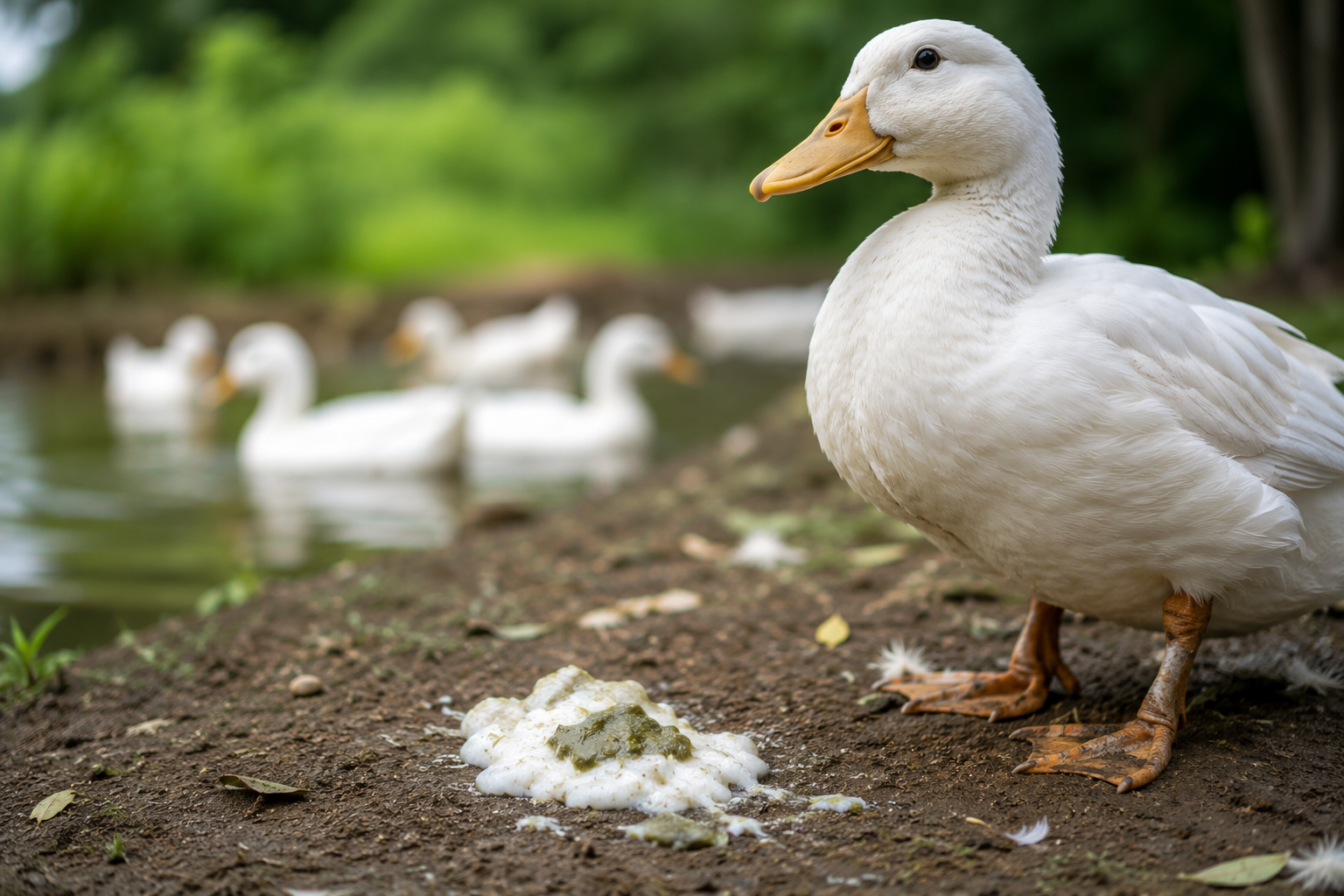
White and runny duck poop is most commonly caused by normal cecal droppings (which are healthy), but it can also signal serious health issues like bacterial infections, viral diseases, liver dysfunction, or parasitic infestations. If the white diarrhea is accompanied by lethargy, loss of appetite, or green/yellow discharge, it is an emergency condition. In this article, I will break down exactly what your duck’s droppings are telling you and when you need to act.
What You Need to Know
Duck poop is surprisingly complex, and not all white droppings are a cause for panic. Ducks actually produce two distinct types of poop:
1-Intestinal Droppings
2- Cecal Droppings
| Feature | Intestinal Droppings | Cecal Droppings |
|---|---|---|
| Origin | Small intestine and large intestine | Cecum (paired ceca) |
| Frequency | Most droppings (about 80–90%) | Usually 1–3 times per day |
| Appearance | Firm, tubular or coiled | Soft, pasty, sticky |
| Color | Brown, green, or tan with a white urate cap | Dark brown to chocolate brown, whitish yellow or even black |
| White Urates | Usually present on top | Usually absent or very little |
| Odor | Mild | Stronger, more pungent odor |
| Consistency | Well-formed | Semi-liquid, pudding-like |
| Contents | Undigested food residues and uric acid | Fermented material(Fber), bacteria, and cecal contents |
Think of your duck’s digestive system like a house with two bathrooms. One bathroom (the intestines) is used constantly throughout the day and produces the normal, firm, brownish-green droppings. The other bathroom (the ceca) is only used occasionally, usually in the morning, and produces a much softer, frothy, whitish-yellow “poop” that looks completely different.
However, when white, runny droppings are produced constantly (not just occasionally), or when they are accompanied by other symptoms like lethargy or loss of appetite, it means something is wrong. As a veterinarian, I see duck owners panic over normal cecal droppings, but I also see them ignore dangerous white diarrhea until it is too late. Let’s learn the difference.
The 5 Main Causes of White and Runny Duck Poop
1. Normal Cecal Droppings (The “False Alarm”)
This is the most common reason duck owners panic unnecessarily. Ducks have two blind pouches at the junction of their small and large intestines called ceca. These pouches ferment fibrous material and are emptied only every 3 to 4 hours, usually in the morning.
- What it looks like: Soft, frothy, bubbly, and pale yellow to whitish-brown. It often has a distinctly foul smell and looks like “mustard” or “soft-serve ice cream.”
- When it happens: Usually once or twice a day, often when the duck first wakes up.
- This is completely normal and healthy. No treatment is needed.
2. Bacterial Infections (The Dangerous Culprit)
When white, runny diarrhea is produced constantly (not just occasionally), bacterial infection is the prime suspect. Common pathogens include:
- Pasteurella multocida (Fowl Cholera): Causes sudden death, greenish-white diarrhea, and lethargy.
- Escherichia coli (Colibacillosis): Causes watery white diarrhea, dehydration, and a “pasty vent.”
- Salmonella: Causes frothy white diarrhea, joint swelling, and sudden death in ducklings.
The Science: These bacteria damage the intestinal lining, preventing proper absorption of nutrients and water. The white color often comes from excess urates (the white part of bird poop) mixing with watery intestinal contents, or from undigested fats that the damaged gut cannot absorb.
3. Viral Diseases (The Silent Killers)
Several viral infections cause severe white or greenish-white diarrhea in ducks:
- Duck Viral Enteritis (Duck Plague): A herpesvirus causing sudden death, bloody or white diarrhea, and photophobia (sensitivity to light).
- Duck Virus Hepatitis: Primarily affects ducklings under 6 weeks old, causing sudden death, opisthotonos (head thrown back), and whitish-green diarrhea.
- Avian Influenza: Can cause severe systemic illness with watery white diarrhea, respiratory signs, and high mortality.
The Vet Reality: Viral diseases are often fatal and highly contagious. There is no specific cure; treatment is supportive (fluids, warmth, nutrition) while the duck’s immune system fights the virus. Prevention through biosecurity and vaccination (where available) is critical.
4. Liver Disease and Dysfunction
The liver is responsible for processing bilirubin and other pigments that give poop its normal brownish-green color. When the liver is damaged or diseased, these pigments are not processed correctly, and the droppings turn pale, white, or clay-colored.
- Causes: Toxins (like aflatoxin from moldy feed), bacterial infections, fatty liver disease (from overfeeding or high-energy diets), or genetic conditions.
- What you will see: Consistently pale, white, or grayish droppings, often accompanied by weight loss, lethargy, and a swollen abdomen.
5. Parasitic Infestations
Internal parasites can damage the intestinal lining and cause malabsorption, leading to white, runny droppings.
- Coccidiosis: Caused by Eimeria species protozoa. While more common in chickens, ducks can be affected. Causes bloody or whitish diarrhea, weight loss, and huddling.
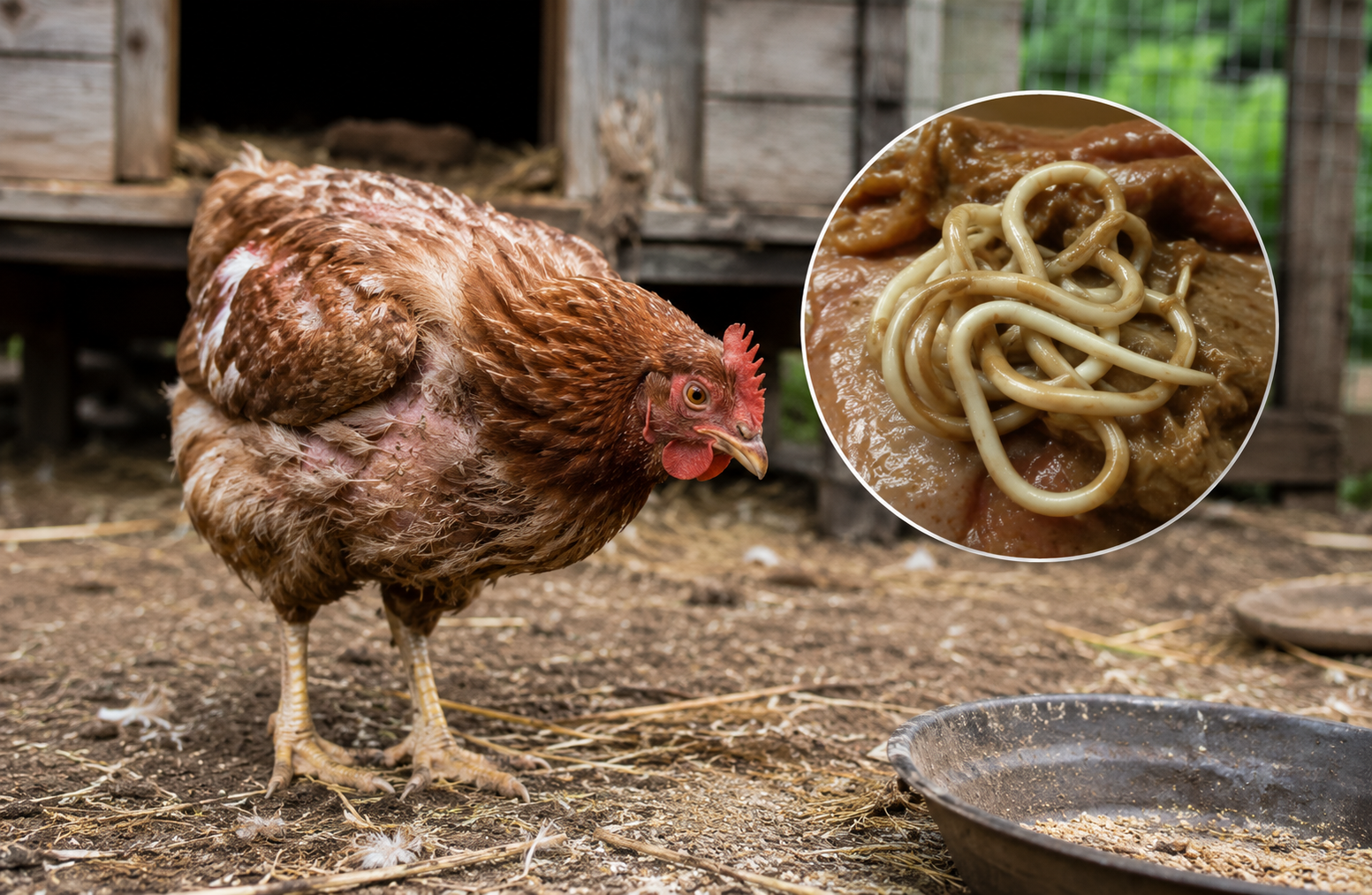
- Gapeworms and Roundworms: Heavy worm burdens can cause general digestive upset, malnutrition, and abnormal droppings.
Clinical Insight: The Veterinarian’s Perspective
From the Merck Veterinary Manual:
“Abnormal fecal consistency and color in waterfowl can indicate a variety of infectious and non-infectious diseases. White, watery droppings may be associated with bacterial infections such as pasteurellosis (fowl cholera), colibacillosis, or salmonellosis. Viral diseases including duck viral enteritis and duck virus hepatitis also cause characteristic diarrhea. Differentiation from normal cecal droppings is essential; cecal droppings are typically passed once or twice daily, are frothy and brownish-yellow, and the bird otherwise appears healthy. Persistent white diarrhea accompanied by depression, anorexia, or increased mortality warrants immediate veterinary investigation and diagnostic testing including bacterial culture, PCR for viral pathogens, and fecal flotation for parasites.”From Blackwell’s Five-Minute Veterinary Consult (Avian) & Diseases of Poultry:
“When evaluating abnormal droppings in domestic waterfowl, the clinician must first distinguish between normal cecal evacuation and pathological diarrhea. Hepatic disease can result in acholic (pale, clay-colored) feces due to impaired bilirubin metabolism. Bacterial enteritis commonly produces white, watery droppings with high urate content. Diagnostic workup should include fecal examination, bacterial culture and sensitivity, and assessment of liver enzymes. Supportive care with fluid therapy, nutritional support, and appropriate antimicrobials (based on culture results) is indicated for infectious causes.”
What this means for you: The textbooks are unanimous: you cannot diagnose the cause of white poop just by looking at it. You must observe the whole duck. Is she acting normal? Eating? Drinking? Or is she huddled, fluffed up, and refusing food? The difference between normal cecal droppings and deadly duck plague could be just one symptom, so observation is critical.
Chart Of Differential Diagnosis
| Disease | Cause | Age Affected | Droppings | Key Clinical Signs | Distinguishing Features | Diagnosis |
|---|---|---|---|---|---|---|
| Pullorum Disease | Salmonella Pullorum | Mainly ducklings (<3 weeks) | Chalky white, pasty diarrhea | Depression, huddling, vent pasting, weakness, high mortality | Classic white diarrhea with pasted vent in young birds | Culture, PCR, serology |
| Salmonellosis (Paratyphoid) | Salmonella Typhimurium, S. Enteritidis, etc. | All ages (young more susceptible) | White, yellow, or green diarrhea | Septicemia, dehydration, swollen joints, reduced growth | Less vent pasting than Pullorum; may have enlarged liver and spleen | Culture, PCR |
| Colibacillosis | Avian pathogenic E. coli | All ages | White to watery diarrhea (occasionally) | Respiratory signs, airsacculitis, septicemia, swollen joints | Respiratory disease usually accompanies diarrhea | Culture, necropsy |
| Kidney Disease (Nephritis) | Bacterial, viral, or toxic kidney damage | All ages | Mostly white urates with little feces | Excessive drinking, weight loss, depression | White material is urates, not true diarrhea | Blood biochemistry, necropsy |
| Visceral/Articular Gout | Hyperuricemia due to renal failure | All ages | White chalky urates | Lameness, dehydration, weakness | White urates plus chalky deposits on organs or joints | Necropsy, histopathology |
| Duck Viral Hepatitis | Duck hepatitis virus | Ducklings (<4 weeks) | Sometimes white or watery | Sudden death, opisthotonos (head thrown back), tremors | Very rapid course with neurologic signs | PCR, histopathology |
| Duck Plague (Duck Viral Enteritis) | Duck enteritis herpesvirus | Older ducks | Green to white diarrhea, sometimes bloody | Photophobia, nasal discharge, hemorrhages, sudden death | Hemorrhagic lesions and vascular damage | PCR, virus isolation |
| Coccidiosis | Eimeria spp. | Young ducks | White, watery, mucus or bloody | Weight loss, anemia, depression | Intestinal lesions and oocysts in feces | Fecal flotation, intestinal scraping |
| Nephrotoxic Poisoning | Aminoglycosides, mycotoxins, heavy metals, plants | All ages | Excessive white urates | Depression, increased thirst, kidney enlargement | History of toxin or drug exposure | Toxicology, necropsy |
| Severe Dehydration | Heat stress, lack of water, disease | All ages | Thick white urates | Sunken eyes, skin tenting, weakness | Improves after rehydration; no infectious lesions | Clinical examination |
Actionable Takeaways: What to Do Right Now
Step 1: Observe the Pattern (The “Frequency Test”)
Watch your duck for 24 hours.
- If the white poop happens only once or twice a day (usually in the morning) and the duck is active, eating, and drinking normally, it is almost certainly normal cecal droppings. No action needed.
- If the white poop is happening constantly (every time she poops), or if it is watery and explosive, you have a medical problem on your hands.
Step 2: Check for Other Symptoms (The “Wellness Check”)
Immediately isolate any duck showing white diarrhea AND any of the following:
- Lethargy or depression (huddled, not moving)
- Loss of appetite or refusing water
- Green or yellow discharge around the vent
- Swollen joints or difficulty walking
- Neurological signs (tremors, head tilt, seizures)
- Sudden death in the flock
These are emergency signs. Call your veterinarian immediately.
Step 3: Collect a Fresh Sample for Testing
If the diarrhea is persistent, you need a diagnosis. Collect a fresh dropping sample (within 2-4 hours) in a clean, sealed container. Keep it refrigerated (not frozen) and take it to your veterinarian within 24 hours. They will perform:
- Fecal flotation to check for parasites
- Gram stain and culture to identify bacteria
- PCR testing if a viral disease is suspected
Step 4: Provide Supportive Care Immediately
While waiting for veterinary results, you can help your duck:
- Isolate her in a warm, quiet, clean area with easy access to food and water.
- Add electrolytes and vitamins to her drinking water to prevent dehydration.
- Offer easily digestible food like wet mash (mix her regular feed with warm water) or cooked rice.
- Keep her vent clean. Gently wash any stuck droppings from her feathers with warm water to prevent “pasty butt” and flystrike.
Step 5: Implement Strict Biosecurity
If you suspect an infectious cause (bacterial or viral):
- Do not let the sick duck contact the rest of the flock.
- Wash your hands and change clothes after handling the sick bird.
- Disinfect waterers and feeders daily.
- Do not share equipment with other duck owners.
Samiversity FAQ: Your Duck Poop Questions Answered
Q: Is white duck poop always a sign of disease?
A: No. Normal cecal droppings are white to pale yellow, frothy, and passed once or twice daily. This is completely healthy. Disease is indicated when the white droppings are persistent (every time the duck poops), watery, and accompanied by other symptoms like lethargy, loss of appetite, or increased mortality in the flock.
Q: Can I treat white diarrhea in ducks with antibiotics from the feed store?
A: No. Over-the-counter antibiotics are often ineffective and can contribute to antibiotic resistance. Furthermore, if the cause is viral (like Duck Viral Enteritis), antibiotics will do nothing. If the cause is a specific bacteria, you need a culture and sensitivity test to determine which antibiotic will actually work. Always consult a veterinarian before administering antibiotics to your flock.
Q: My ducklings have white, runny poop and are dying. What is it?
A: This is a veterinary emergency. In ducklings under 6 weeks old, white diarrhea with high mortality is highly suggestive of Duck Virus Hepatitis or Salmonellosis. Both are rapidly fatal and require immediate veterinary intervention. Isolate sick ducklings, provide warmth and electrolytes, and contact your vet immediately. Do not wait.
Q: Can moldy feed cause white poop in ducks?
A: Yes. Moldy feed can contain aflatoxins, which are potent liver toxins. Liver damage impairs the organ’s ability to process bilirubin, resulting in pale, white, or clay-colored droppings. Aflatoxicosis also causes lethargy, loss of appetite, and sudden death. Always store feed in a cool, dry place and never feed moldy grain to your flock.
Q: How do I prevent infectious causes of white diarrhea in my ducks?
A: Prevention is all about biosecurity and management. 1) Vaccinate if vaccines are available for diseases like Duck Virus Hepatitis in your area. 2) Keep the environment clean and dry; wet, muddy conditions promote bacterial and parasitic growth. 3) Prevent contact with wild waterfowl, which can carry and shed pathogens. 4) Quarantine new birds for at least 30 days before introducing them to your flock. 5) Provide clean, fresh water and high-quality feed stored properly to prevent mold.
Veterinary References
This article is grounded in established veterinary avian medicine and waterfowl pathology. For further reading, consult:
- Merck Veterinary Manual – “Digestive System: Diarrhea in Waterfowl” and “Viral Diseases: Duck Viral Enteritis and Duck Virus Hepatitis.” Available at merckvetmanual.com
- Diseases of Poultry (14th Edition, edited by David E. Swayne) – The gold-standard textbook for avian medicine, specifically the chapters on “Waterfowl Diseases” and “Viral Hepatitis.” Wiley-Blackwell.
- Blackwell’s Five-Minute Veterinary Consult: Avian (2nd Edition) – Sections on gastrointestinal disorders, hepatic disease, and diagnostic approach to abnormal droppings in backyard waterfowl.
- Journal of Avian Medicine and Surgery – Clinical guidelines on the diagnosis and management of infectious and metabolic diseases in domestic ducks.